
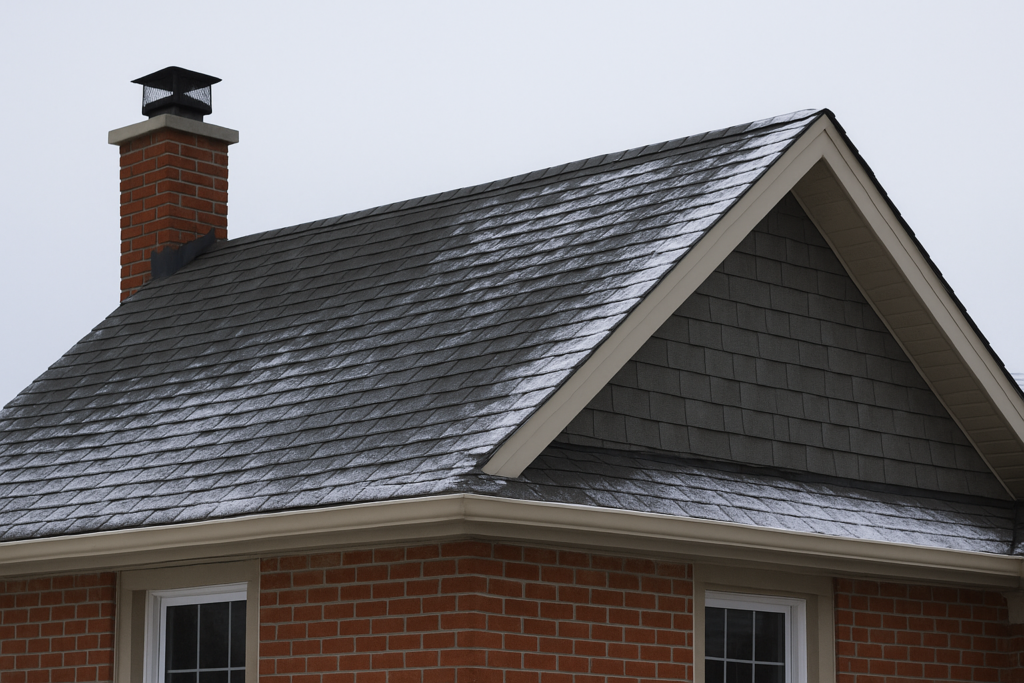
How to Winterize your home: what homeowners need to know
Here in Northwest Louisiana, we may not see heavy snowfall every year, but that doesn’t mean our roofs get a free pass each winter. From December to February, it’s not uncommon for Shreveport and Bossier City to face freezing temperatures, ice, and overnight lows in the 20s to 30s.
And when it comes to your roof, those conditions can cause serious problems if you’re not prepared.
Whether you’re a first-time homeowner or just trying to stay ahead of seasonal wear and tear, here’s a practical guide to winterizing your roof in a Southern climate like ours.
Why Winter Roof Prep in Louisiana Matters
Even without regular snow, ice and freezing temperatures can wreak havoc on your roof. Here’s how:
- Freeze-thaw cycles cause water to seep into small cracks and expand, making existing damage worse.
- Ice dams can form when heat escapes through your attic, melting snow or ice that refreezes at the edge of the roof causing water to back up under shingles.
- Blocked gutters trap water, which can freeze, crack, or pull gutters away from your home.
- Heavy winds and cold snaps can loose flashing, shingles, or ridge caps, all of which are critical to keeping your home sealed tight.
Even if your area only gets one or two icy storms per winter, the damage they can cause often costs homeowners, and even businesses, thousands in emergency repairs if the roof hasn’t been properly maintained.
8 Essential Steps to Winterize Your Roof in Shreveport
Here is how to get your roof ready for winter…Louisiana style!
1. Inspect Your Roof for Damage
Start with a visual inspection. Look for missing shingles, cracked flashing, or sagging areas. If you’re not sure what to look for, book a professional inspection (Hodge Roofing offers these!)
2. Clean Out Gutters & Downspouts
Leaves and pine needles are common here in the fall, and they can clog your drainage system is not properly maintained. Clogged gutters trap water, which can freeze, expand, and damage both the gutters and the roofline.
3. Trim Back Overhanging Trees
Northwest Louisiana has plenty of mature trees. Overhanging branches can beak under ice weight or scratch the roof in strong wind. Cut them back now to avoid emergency clean up later.
4. Check and Improve Attic Ventilation
Poor ventilation traps warm air, which causes uneven roof temperatures and ice damming. Make sure your attic vents are clear and your insulation is adequate.
5. Seal Around Vents, Pipes, and Skylights
These are common leak points especially after a freeze. Use caulk or roofing sealant to tighten things up before temperatures drop.
6. Repair or Replace Loose Shingles
Even a single damaged shingle can lead to major leaks. Have a roofer replace any loose, cracked, or missing shingles, especially near valleys and roof edges.
7. Check Flashing Around Chimneys and Valleys
Flashing is your roof’s armor at its most vulnerable points. If it’s bent, lifted, or rusted, have it replaced before moisture sneaks in.
8. Schedule a Professional Roof Inspection
There’s no substitute for an expert eye. Hodge Roofing offers local inspections tailored to Shreveport’s winter climate, catching problems before they lead to costly repairs.
What Makes Winter Roof Damage Worse in NW Louisiana?
We deal more with ice than snow, and that comes with unique challenges:
- Our roofs aren’t always designed for prolonged freeze exposure, so even a short cold snap can reveal weak spots.
- Infrequent cold weather means homeowners often skip winter prep. Unfortunately, this can make damage more likely when bad weather hits.
- Ice buildup is harder to spot and fix than snow, especially when it melts during the day and refreezes at night.
Frequently Asked Questions (FAQs)
Do I need to winterize my roof in if it rarely snows where I live?
Yes. Even without frequent snow, freezing rain and ice can cause damage to your roof if it’s not properly maintained. Winterizing helps prevent costly leaks and intrusion.
What Temperature is too Cold for roof repairs?
Most roofing materials require temps above 40°F to install properly. Below that, shingles can become brittle, and sealants may not set, so it’s best to complete repairs before deep freezes.
What causes ice dams and can they happen in Louisiana?
Ice dams form when heat from your attic melts ice or snow, which refreezes at the roof edge. They’re less common in the South, but a cold snap after rain or sleet can absolutely cause them. Especially on poorly insulated roofs.
How can I tell if my roof has winter damage?
Look for water stains on ceilings, sagging gutters, missing shingles, or flashing that has pulled away. After a freeze or ice event, a quick inspection can catch early signs of damage.
Should I remove ice from my roof and/or gutters?
If safe yes, especially if water can’t drain. Use a roof rake or call a professional. Never chip ice with tools, as this can damage shingles or flashing.
